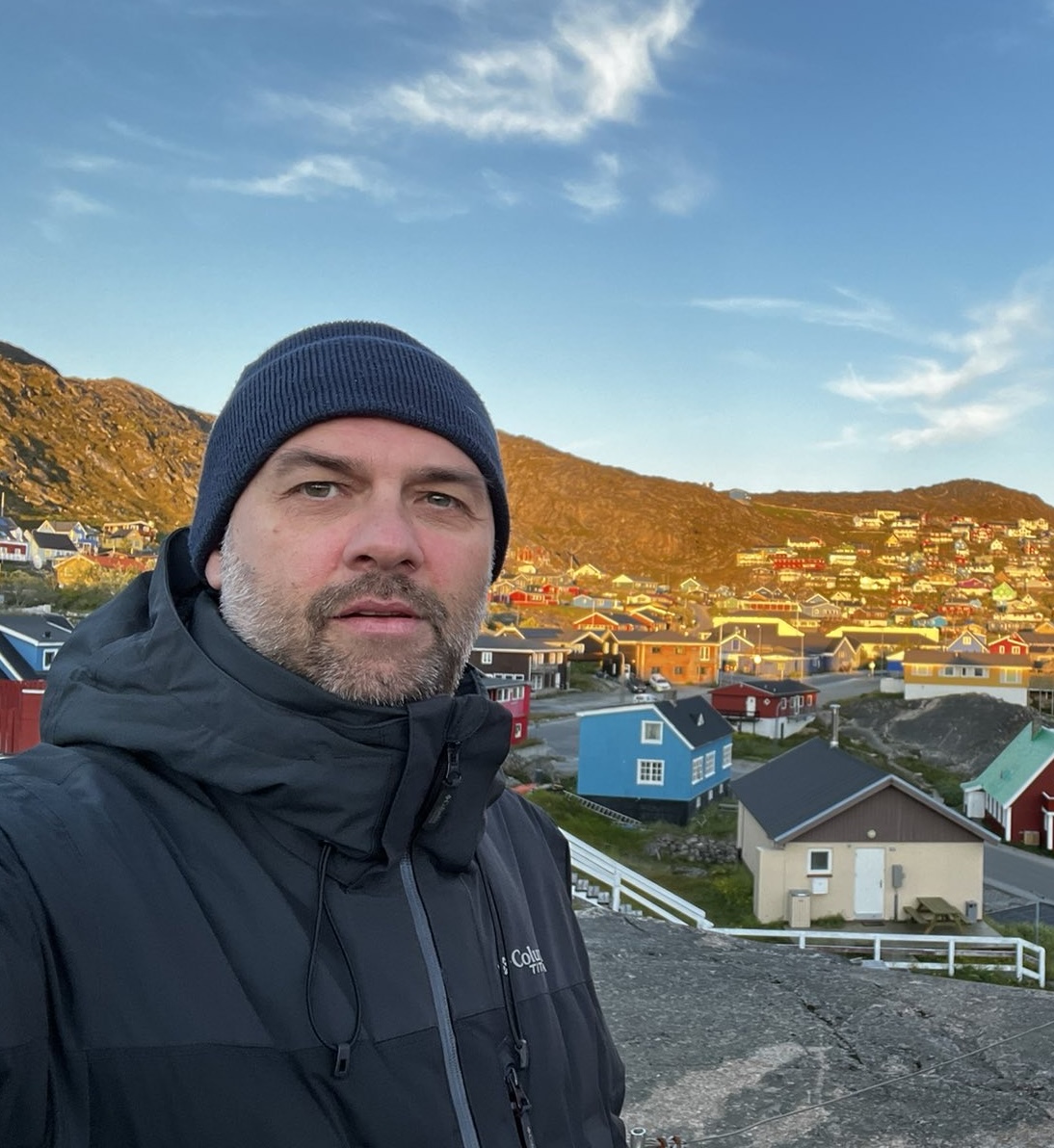
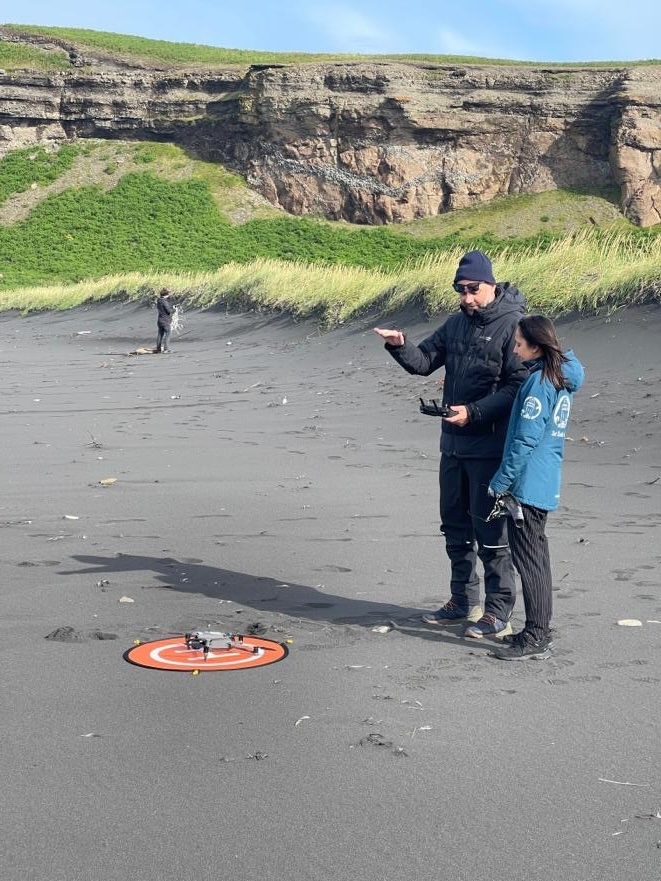
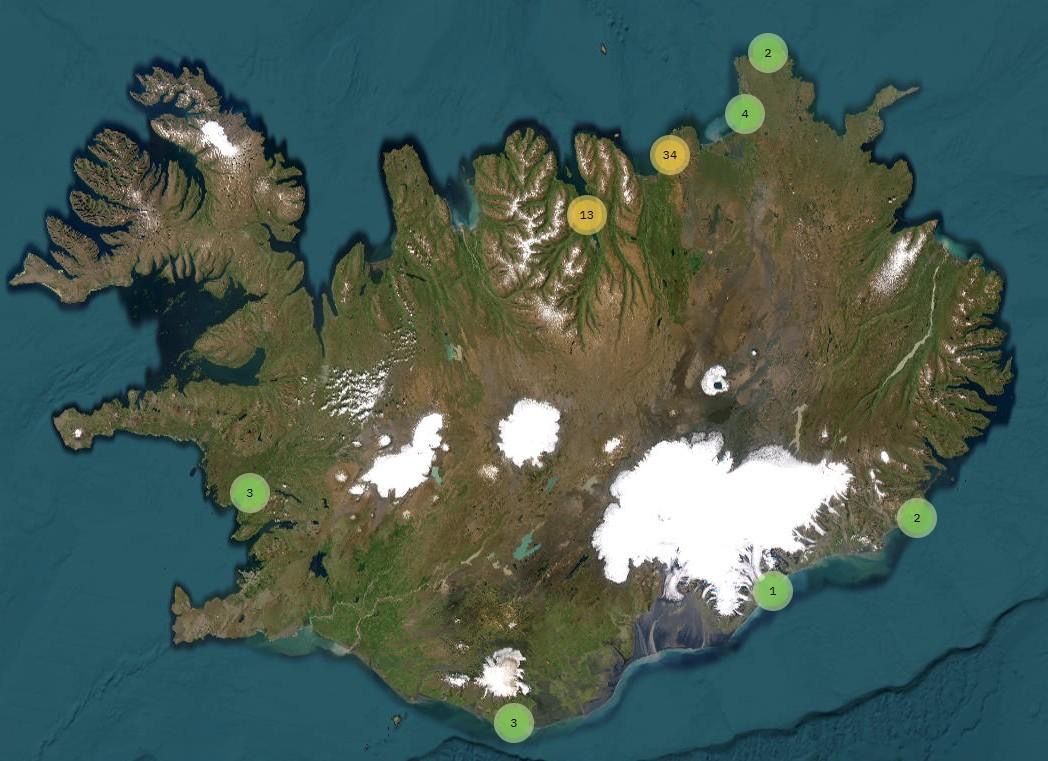
Through ICEBERG, I hope to refine our scalable methods to better understand how marine litter moves and accumulates in this harsh, remote, and isolated Arctic environment. So far, under the ICEBERG project, we have conducted drone-based surveys along the coasts of Iceland and Greenland, detecting and mapping marine litter in some of the most remote Arctic environments.
Using Scidrones CMLO (Coastal Marine Litter Observatory), an AI-powered WebGIS platform, volunteers conducted 62 drone flights and uploaded over 3,800 aerial images for automated litter detection and classification.
Results show plastic and processed wood as the dominant litter types, mainly linked to fishing and maritime activity, confirming the effectiveness of AI-assisted monitoring in extreme Arctic environments.The ICEBERG project demonstrates how AI + volunteer drone mapping can enable scalable, transparent monitoring of remote marine ecosystems.