Looking to the future: ICEBERG’s final fieldwork begins in Iceland and Greenland
This week, the ICEBERG team begins the final stretch of its fieldwork in Iceland and Greenland. This phase marks an important step forward: from understanding pollution in Arctic communities to working together on future solutions.
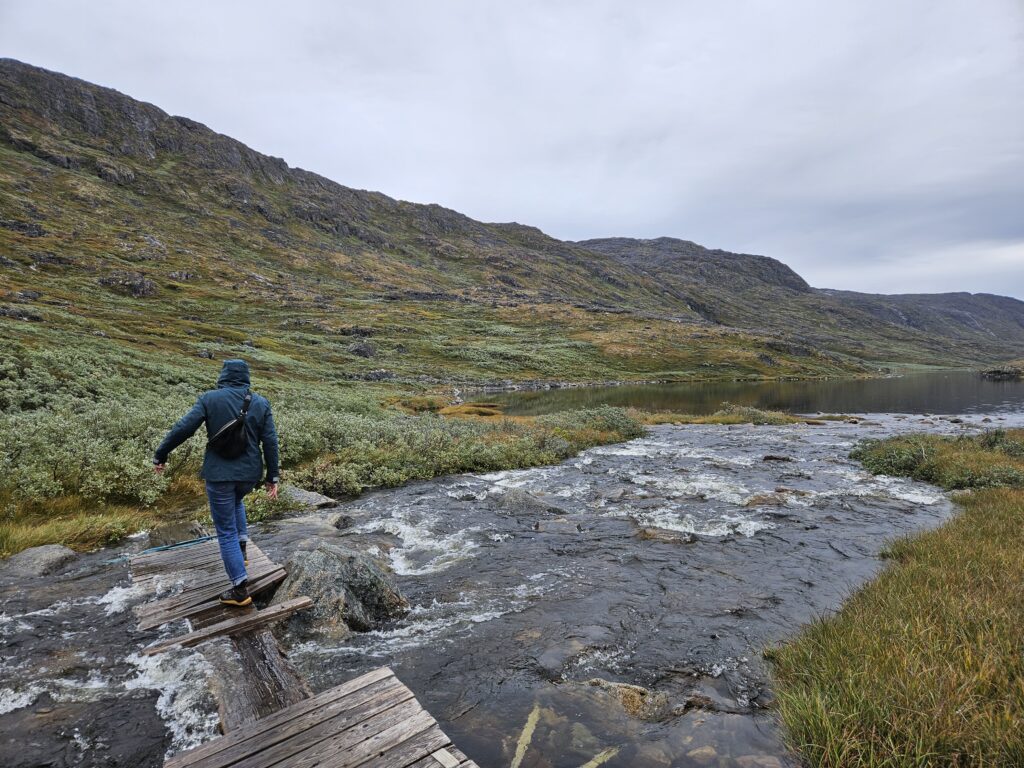
Views from 2024 fieldtrip to Greenland. Photo: Christine Liang.
Over the past years, ICEBERG researchers have collected data, tested new monitoring methods, and learned from local experiences. This work has built a strong foundation for understanding how pollution affects everyday life in remote coastal regions. Now, the focus shifts to the future: how pollution may shape life in the coming decades, and what can be done to protect local communities and nature.
Working with communities to explore future pathways
In Húsavík, Iceland, the fieldwork will bring together research, community perspectives, and local knowledge. The team will meet with residents, municipal authorities, teachers, tourism operators, citizen scientists, and other local actors to better understand how pollution affects daily life and livelihoods, and to explore possible futures for the region. A scenario workshop will invite participants to discuss how environmental, social, and economic changes could shape life in the coming decades.
In Qaqortoq, Greenland, the team will work in a coastal town where fishing and local services are central to everyday life. They will meet with residents, local actors, and community groups to discuss how pollution affects daily activities—from fishing and food use to time spent along the coast. The programme also includes workshops with school students, where young people will share their views on the future of their community.
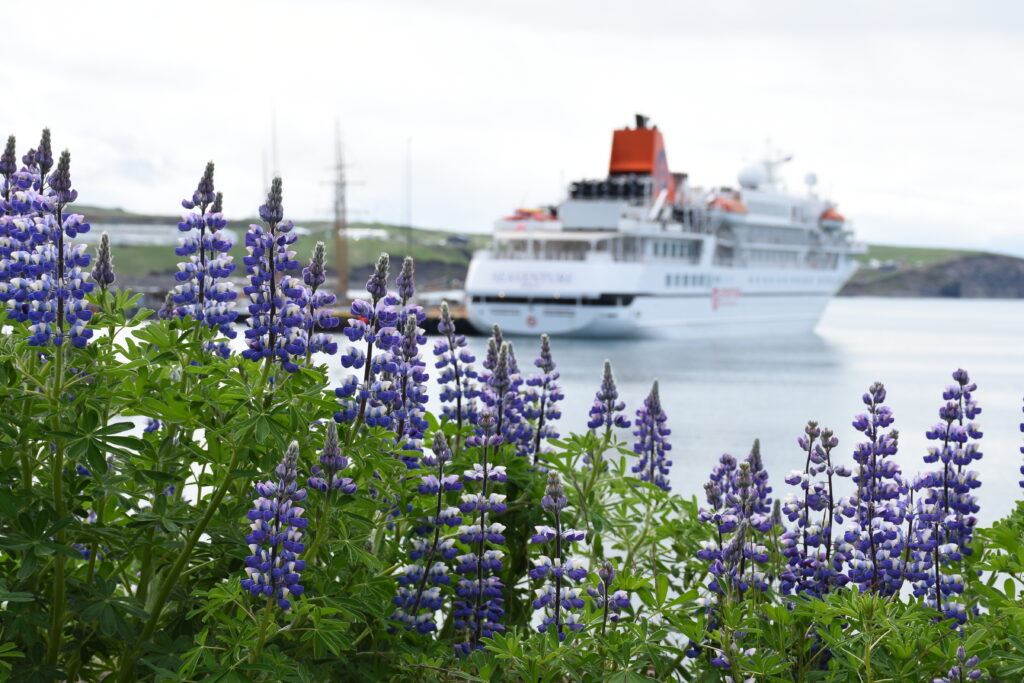
Views from 2025 fieldtrip to Iceland. Photo: Ilona Mettiäinen.
Shaping the future by connecting research with policy
To support real-world change, this fieldwork also has a strong emphasis on policy. ICEBERG’s policy team works to connect research findings and community insights with practical policy recommendations. By working directly in the field, they can better understand local needs and engage with local decision-makers.
Addressing pollution in remote regions requires coordination across many levels. For example, local actions such as waste management and tourism practices need to be supported by national policies and international cooperation. By bringing together scientific results, local experiences, and policy perspectives, ICEBERG aims to identify realistic steps that can reduce pollution and support communities in adapting to change.
As the team travels from Iceland to Greenland, they will document their work and share updates along the way. Follow ICEBERG’s channels to learn more about the fieldwork, meet the people involved, and see how these conversations will inform the project’s final results.
Stay tuned for more
Stay tuned on ICEBERG by subscribing to our newsletter and following us on social media: