Building on the foundations laid in our first year, 2025 has been marked by vibrant field seasons, deeper engagement with communities and the steady transformation of shared ideas into concrete results. Across South Greenland, Iceland and Svalbard, we have collected data with local people, analysing samples, listening, exchanging knowledge, and strengthening relationships that are at the heart of the ICEBERG.
What Defined ICEBERG’s Second Year
In Svalbard, fieldwork continued with the collection of samples from snow, freshwater, soils and coastlines, alongside ongoing beach clean-ups. In South Greenland, we deepened collaborations with local communities through interviews with hunters, artisans, sheep farmers and tourism actors, while also preparing and carrying out drone flights to map beach litter in partnership with citizen pilots. We joined a beach clean-up with Siu-Tsiu, Hold Norge Rent and Innovation South Greenland in the Kujataa UNESCO World Heritage Sites. In Iceland, our work combined environmental and food sampling and characterisation of chemical occurrence with extensive interviews with locals, tourism surveys and dedicated discussions with women to better understand gendered experiences of pollution, as well as exchanges with waste management actors and public authorities. Across all regions, sample collections, interviews and conversations have been essential in grounding our scientific work in lived experience and local priorities.
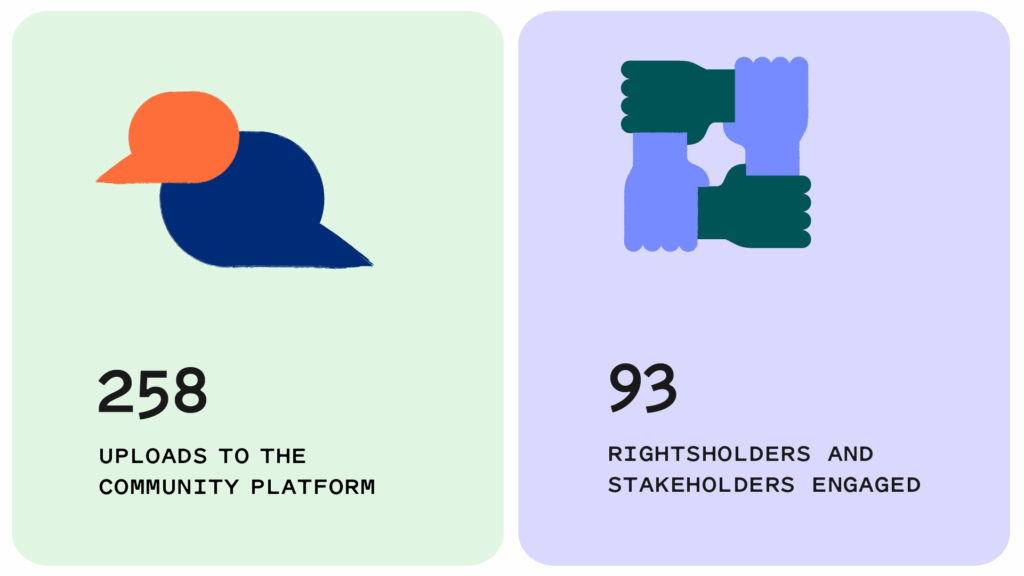
This year also saw major progress in our use of innovative monitoring tools. Our pollution monitoring drone programme completed 65 successful mapping missions, covering a surface of approximately 135 hectares of coastal areas, complemented by time-lapse cameras and community-based monitoring efforts with over 200 observations uploaded by local people and groups on our interactive online platform. These activities are generating valuable datasets that will underpin our analyses in the final phase of the project.
Most of all, we extend our deepest thanks to our local coordinators and community partners: Erik Kielsen, Huld Hafliðadóttir, and Karl Karlsson. Their knowledge, guidance, and dedication continue to make this project possible and meaningful.
Turning Knowledge into Impact in 2026
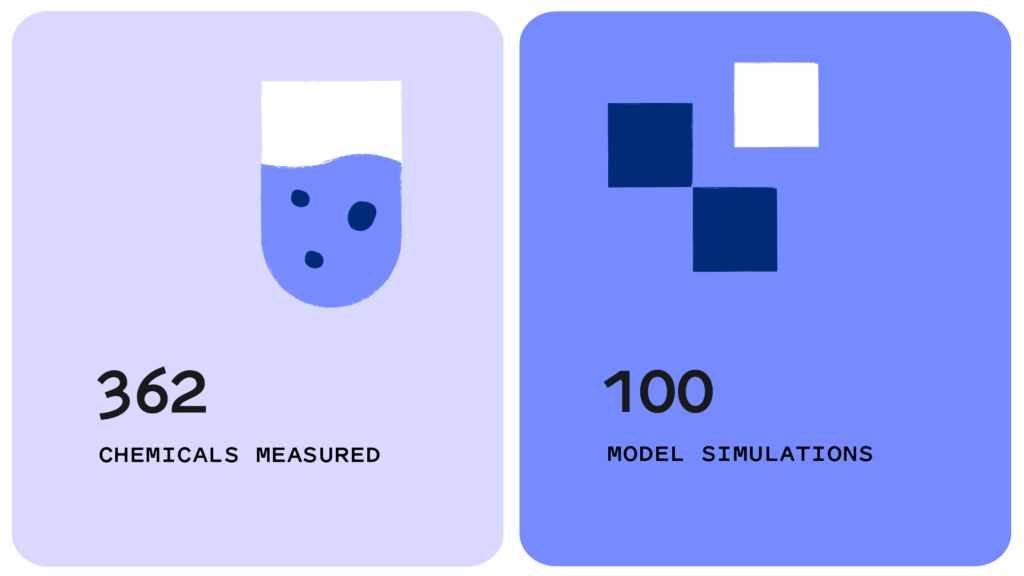
Looking ahead to the final year of the ICEBERG-project, our focus will now shift from data to impact. With strong foundations in place, 2026 will be dedicated to finalizing laboratory analysis on contaminants in sediments and food items, advancing the modeling nutrient influxes at the ocean surface that come from ship wastewaters, and simulation of future pollution trends related to increase in shipping, synthesising results, engaging in pollution scenario workshops with communities, and translating our findings into concrete policy recommendations tailored to different actors and governance levels, including national authorities, the European Commission, the Arctic Council, science funders and other relevant stakeholders.
We move into this next phase with gratitude for the collective effort so far and with hope and commitment that, together, we can ensure the ICEBERG-project leaves a lasting positive scientific and societal impacts.
Wishing you all a peaceful and joyful holiday season and a healthy New Year! With excitement for the 2026 journey ahead,
Thora Herrmann and Élise Lépy
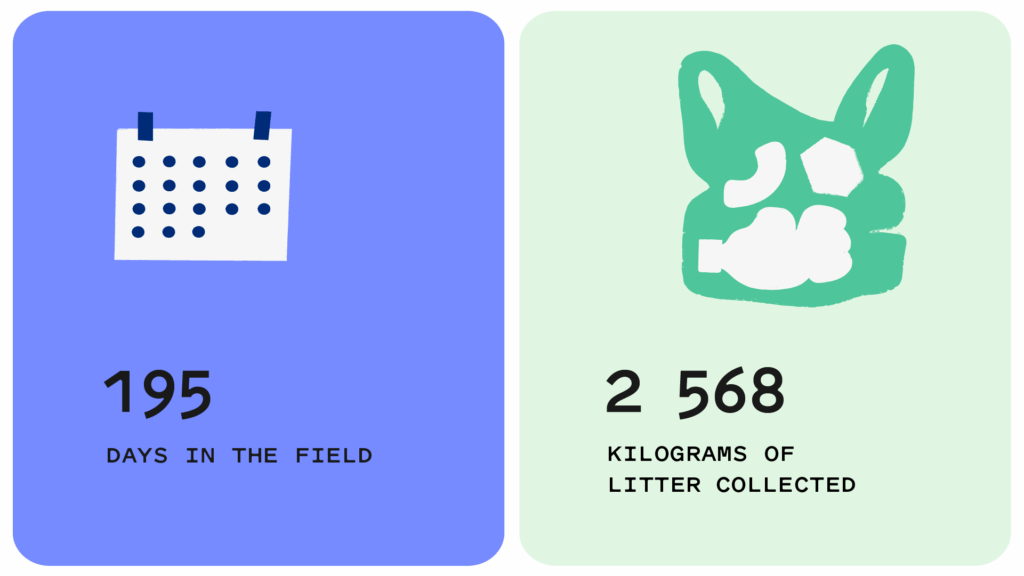
ICEBERG’s year 2025 in numbers
Stay tuned for more
Stay tuned on ICEBERG by subscribing to our newsletter and following us on social media: