June 22 2026

Three Months of Drones and Citizen Science in Iceland: Student Work in ICEBERG

Marco Lonero, a Master’s student from Bari Polytechnic University, spent three months in Iceland conducting drone surveys and engaging citizen scientists as part of the ICEBERG project. Here he shares how the experience expanded his technical skills, and his understanding of why science only truly works when it connects with people.
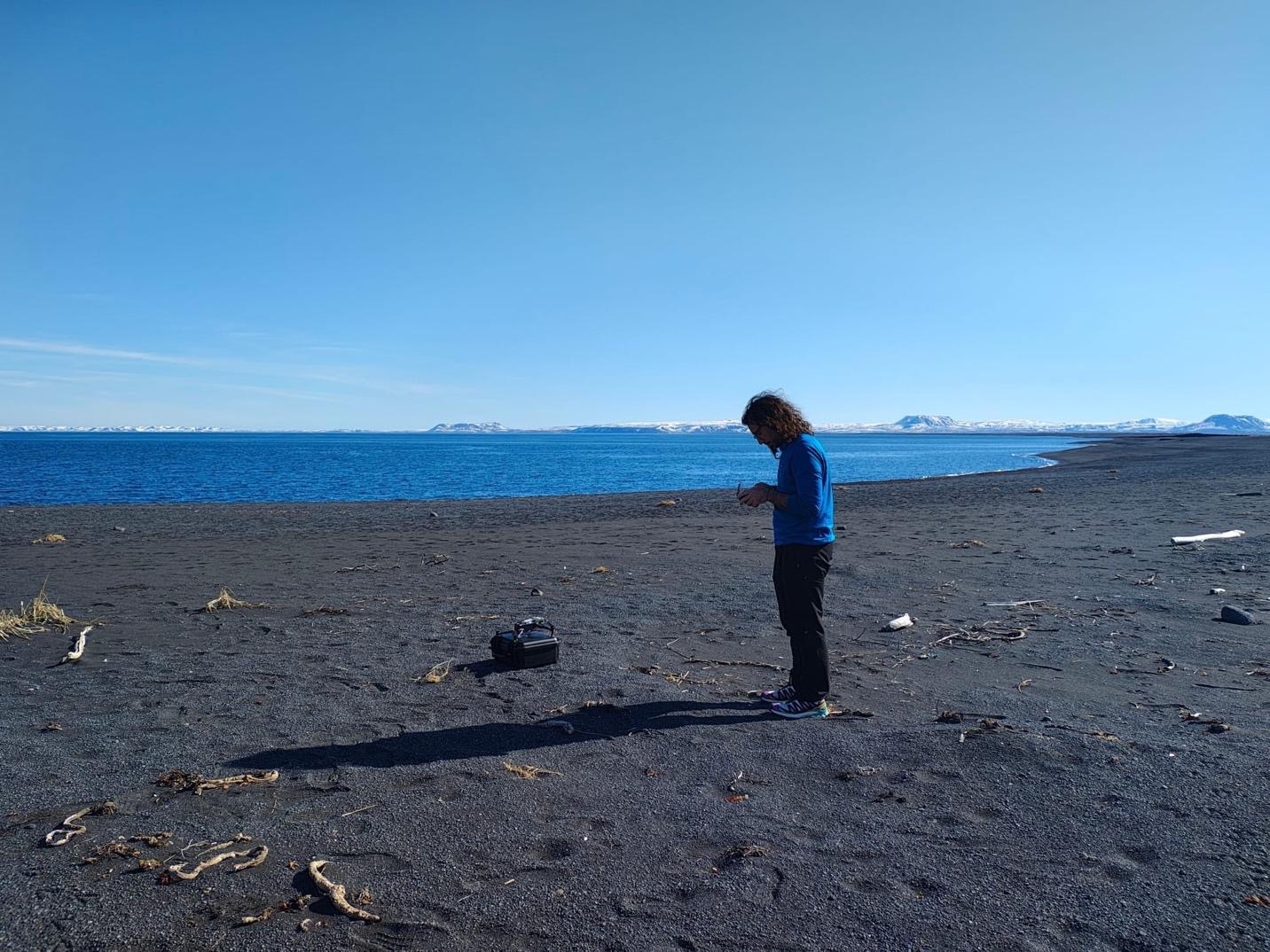
A person flying a drone on a beach. The sand is dark brown and the blue shoreline can be seen in the background, as well as the blue sky. The person flying the drone has a blue shirt.

Drones are utilised in detecting beach litter in the case study areas. Photo credit: Victor Lion.

I’m Marco Lonero and I’m a Master’s degree student in Environmental and Land Engineering at Bari Polytechnic University, Italy. I’m deeply passionate about remote sensing and after my internship at SCIDRONES, where I first found out about the ICEBERG project, I decided to continue following this path. This meant writing my Master’s thesis and joining the project in Work Package 2.

During the three months I’ve spent in Iceland I have had two key goals. The first has been conducting drone surveys in coastal areas to detect beach litter under the supervisory guidance of my supervisor Apostolos Papakostaninou. My second goal has been to engage with citizen scientists and volunteers who wanted to take part in the project by learning practical skills such as piloting drones and understanding how beach litter detection works.

I had never previously worked in social sciences, as my background has been more technical. However, I found the experience fascinating, as I came to see that only when science meets people can we see changes in behaviour and actions. Joining this project was an excellent opportunity to expand my knowledge and vision, making valuable connections with helpful experts working on the project as well as the extraordinary volunteers who joined our sessions.

My first step was recruiting new volunteers and thanks to the Stefanson Arctic Institute where I was hosted in Iceland, I was able to build networks to locate potential volunteers through flyers which I designed. My aim was to reach people using different methods and approaches.

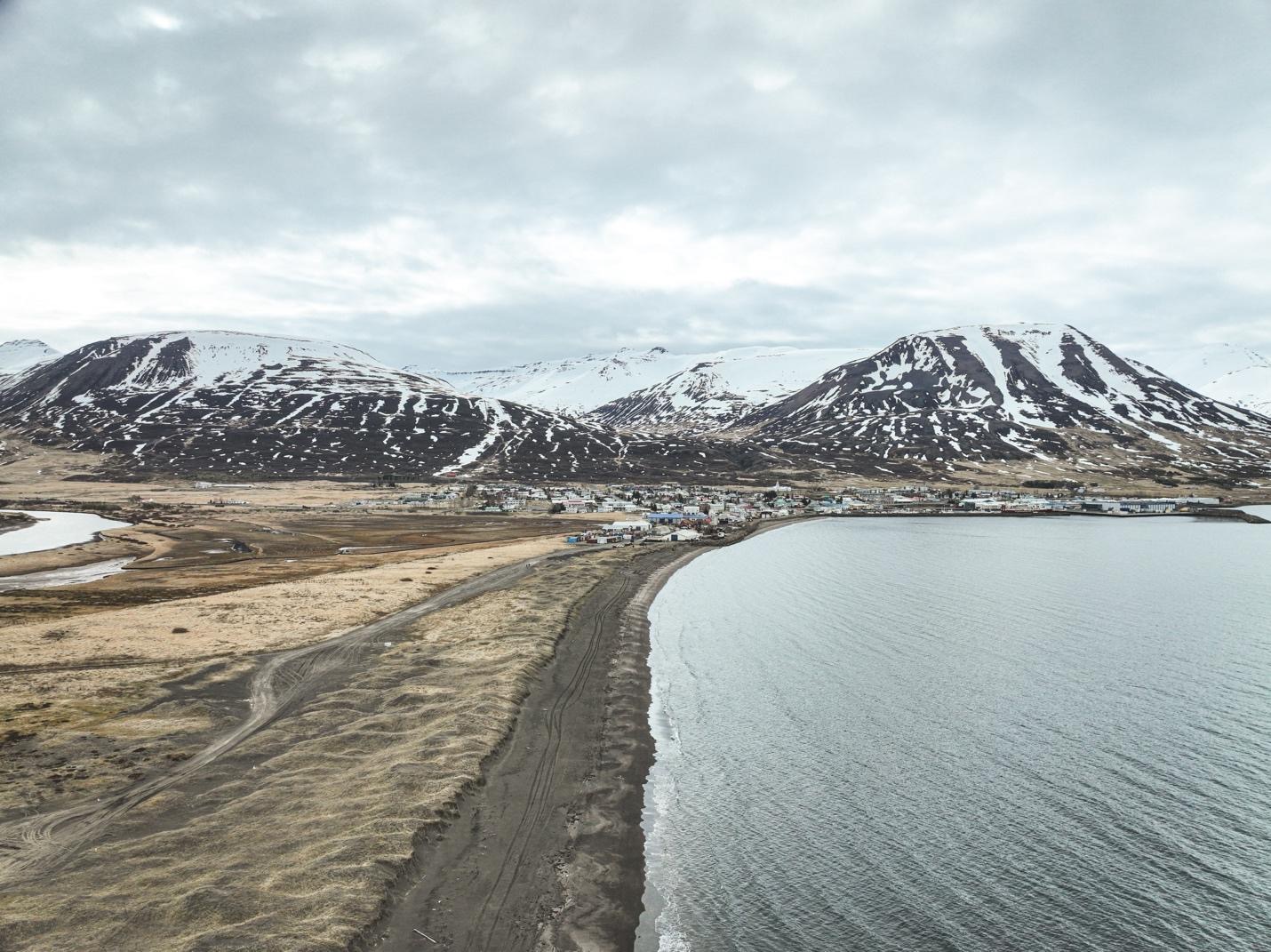
Two large snow-covered mountains and a small village in front of them. The village sits on the shore of a large body of water

Once I had a suitable number for a group, we were able to start training sessions, dividing these into theoretical and practical modules. Finally, when the good weather arrived here in Iceland, we moved outside for in-field drone dataset collection.

The final step was to demonstrate to the volunteer group how to upload collected datasets to the CMLO (Coastal Marine Litter Observatory), how to interpret the results of our work, and to ensure that the volunteer group is confident to continue working with drones as citizen scientists after my departure.

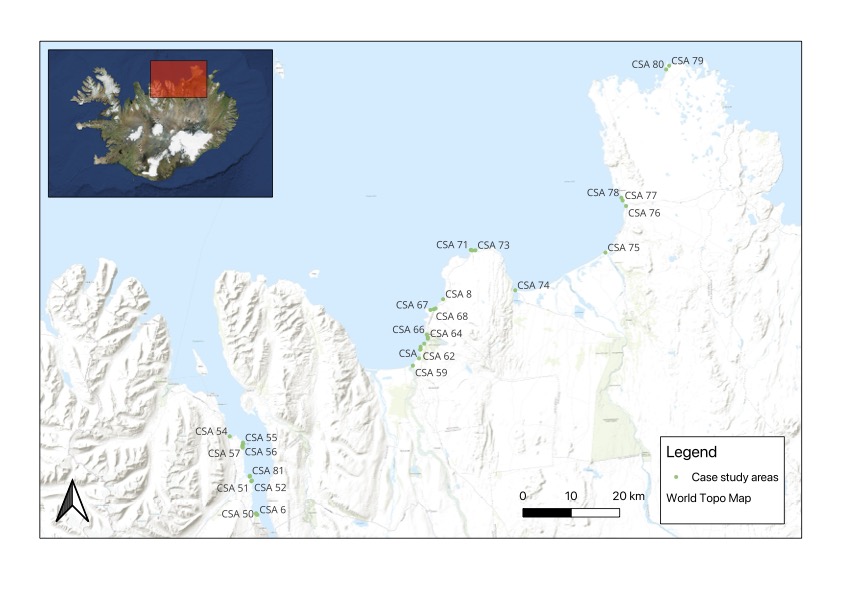
A map of the shore of Iceland showcasing study areas for fieldwork. The areas say "CSA". The land areas are white and water areas blue.
Case study areas for beach litter detection on the coast of Iceland. Credit: Marco Lonero
"I came to see that only when science meets people can we see changes in behaviour and actions."
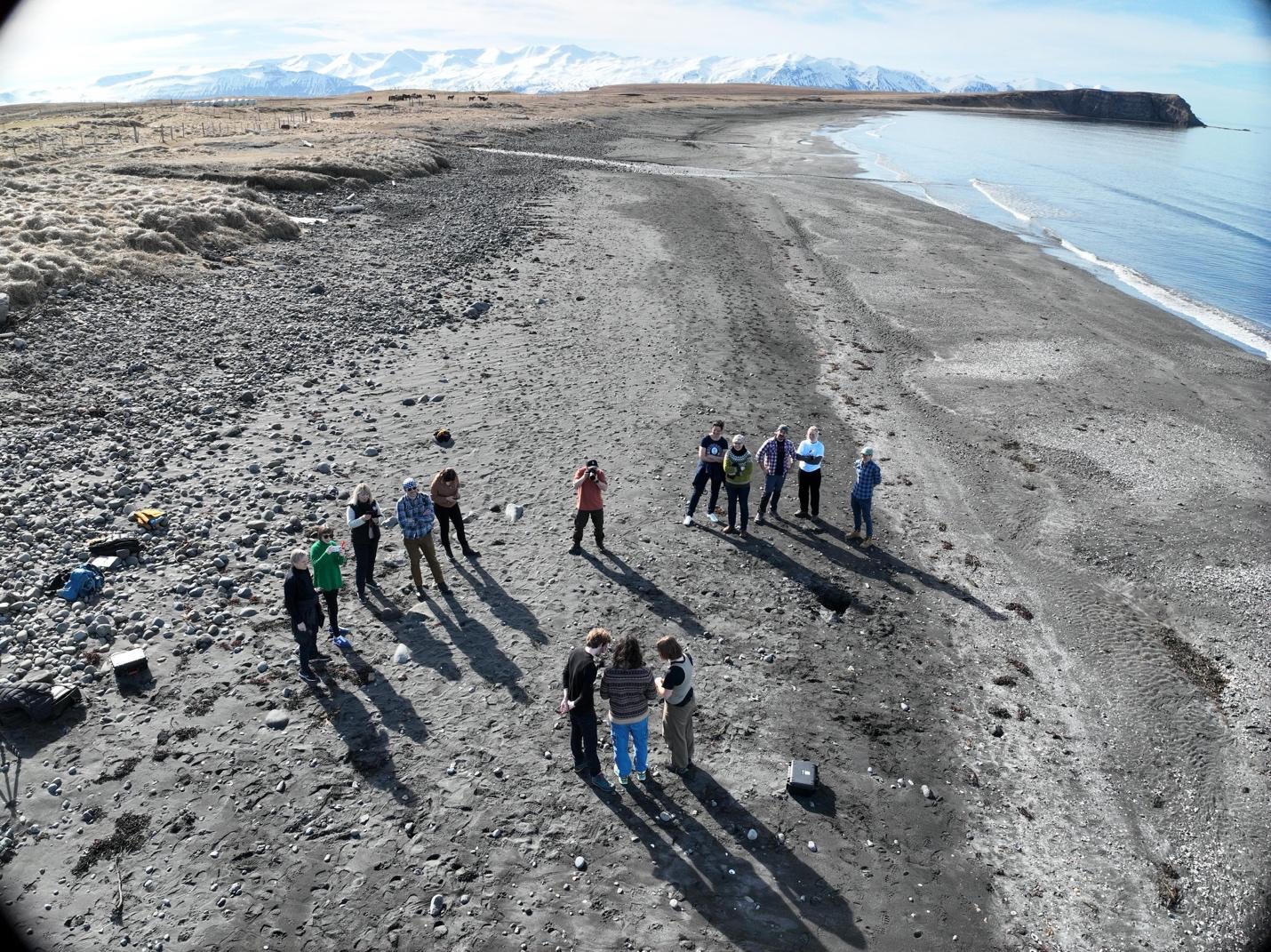
A group of about ten volunteers conducting fieldwork through piloting drones on the coast of Iceland. The beach is a grey color and the water is blue

A group of volunteers conducting fieldwork through piloting drones on the coast of Iceland. Credit: Marco Lonero

Once I had a suitable number for a group, we were able to start training sessions, dividing these into theoretical and practical modules. Finally, when the good weather arrived here in Iceland, we moved outside for in-field drone dataset collection.

The final step was to demonstrate to the volunteer group how to upload collected datasets to the CMLO (Coastal Marine Litter Observatory), how to interpret the results of our work, and to ensure that the volunteer group is confident to continue working with drones as citizen scientists after my departure.

To find out more about how ICEBERG and WP2 uses drones in Arctic coastlines, read the blog post “Drones in the Arctic—Mapping and Monitoring Coastal Marine Litter from the Skies” by Apostolos Papakonstantinou from May 2025!


Stay tuned for more

Stay tuned on ICEBERG by subscribing to our newsletter and following us on social media:

LinkedIn
Facebook
Instagram

Subscribe to our newsletter and stay updated on the progress of the project.

Subscribe

Project Scientific Coordinator

Prof. Thora Herrmann
University of Oulu
thora.herrmann@oulu.fi

Co-coordinator, Project Manager

Dr Élise Lépy
University of Oulu
elise.lepy@oulu.fi

Communications

Marika Ahonen
Kaskas
marika.ahonen@kaskas.fi

Innovative Community Engagement for Building Effective Resilience and Arctic Ocean Pollution-control Governance in the Context of Climate Change

ICEBERG has received funding from the European Union's Horizon Europe Research and innovation funding programme under grant agreement No 101135130

Privacy Policy