ICEBERG’s Final Fieldwork in Iceland and Greenland: Communities, Future Scenarios, and Monitoring
The ICEBERG team has wrapped up the final phase of fieldwork in Northeast Iceland and South Greenland. The fieldwork brought researchers together with local communities to explore how environmental change and pollution may shape future life in the region.
The last fieldwork season in Northeast Iceland and South Greenland combined community engagement, environmental monitoring, tourism research, and future scenario-building across Arctic coastal communities. Through workshops, interviews, surveys, technical monitoring, and environmental sampling, the ICEBERG team worked with residents, youth, tourism actors, and other stakeholders to explore how environmental change and pollution are affecting everyday life and shaping future possibilities.
From scenario workshops in Húsavík and Qaqortoq to beach litter monitoring and soil sampling, the fieldwork highlighted both the challenges facing Arctic regions and the resilience and knowledge within local communities.
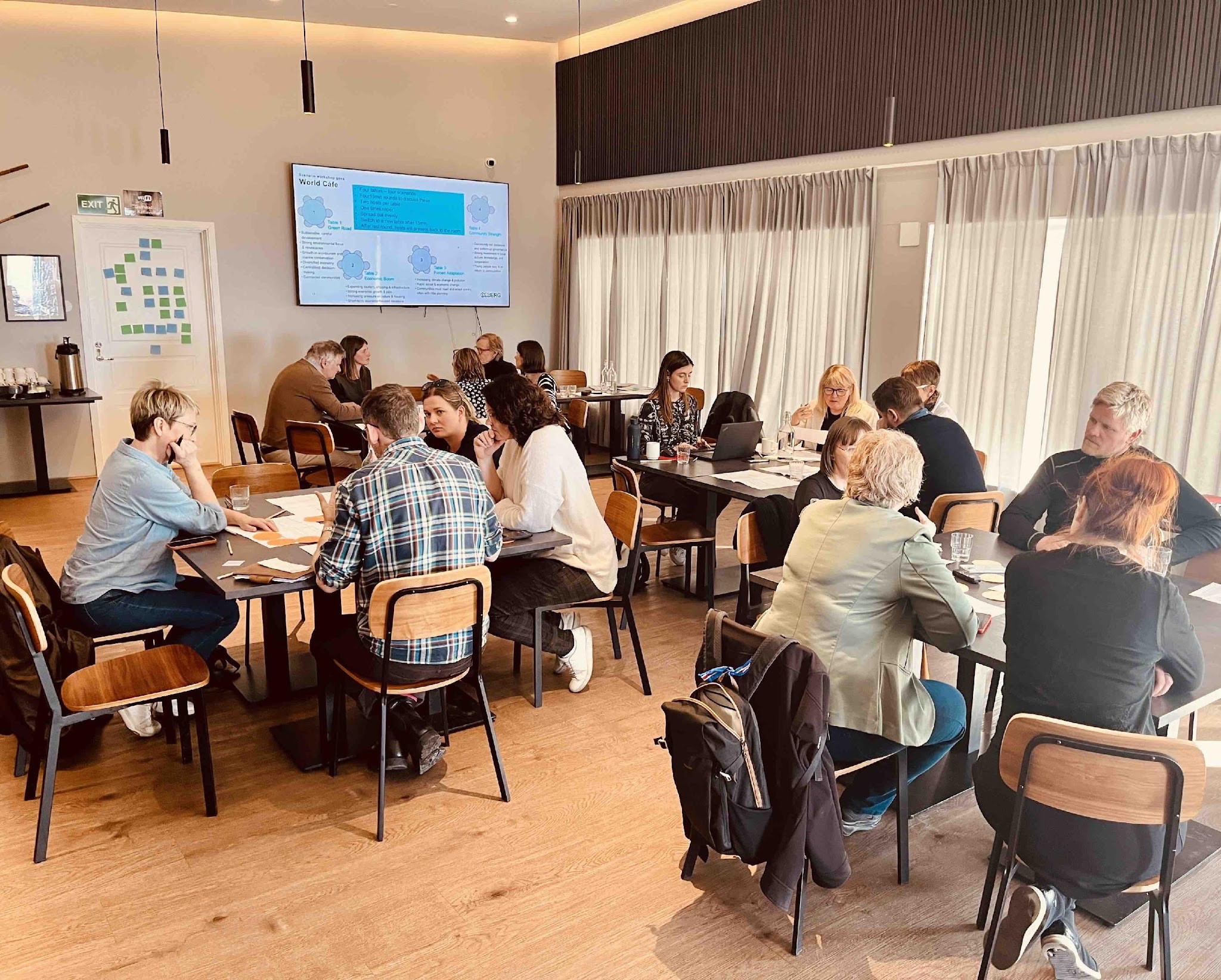
A central part of this fieldwork season focused on participatory future scenario-building in Iceland and Greenland. In Húsavík, Iceland, Thora and Élise from the University of Oulu, Joan, Jón and Karl from the Stefansson Arctic Institute, Adam from the University of Lapland, Tahnee from Women of the Arctic, and Natascha from Kiel University participated on behalf of the project.
Together with our local collaborator Huld Hafliðadóttir from STEM Ísland, they organized a future scenario workshop that gathered residents, municipal representatives, teachers, tourism operators, and other local actors from Akureyri, Húsavík, and nearby villages. Together, participants explored how pollution is already affecting everyday life and livelihoods in coastal communities, using these shared experiences as a starting point for imagining possible futures for the region.
The workshop created a lively space for open exchange and collective thinking, where participants reflected on environmental, social, and economic changes and discussed how different driving forces might unfold over the coming decade. Through collaborative scenario-building exercises, they developed several future pathways for Northeast Iceland, grounding each vision in local knowledge and lived experience.
Intergenerational dialogue in Qaqortoq
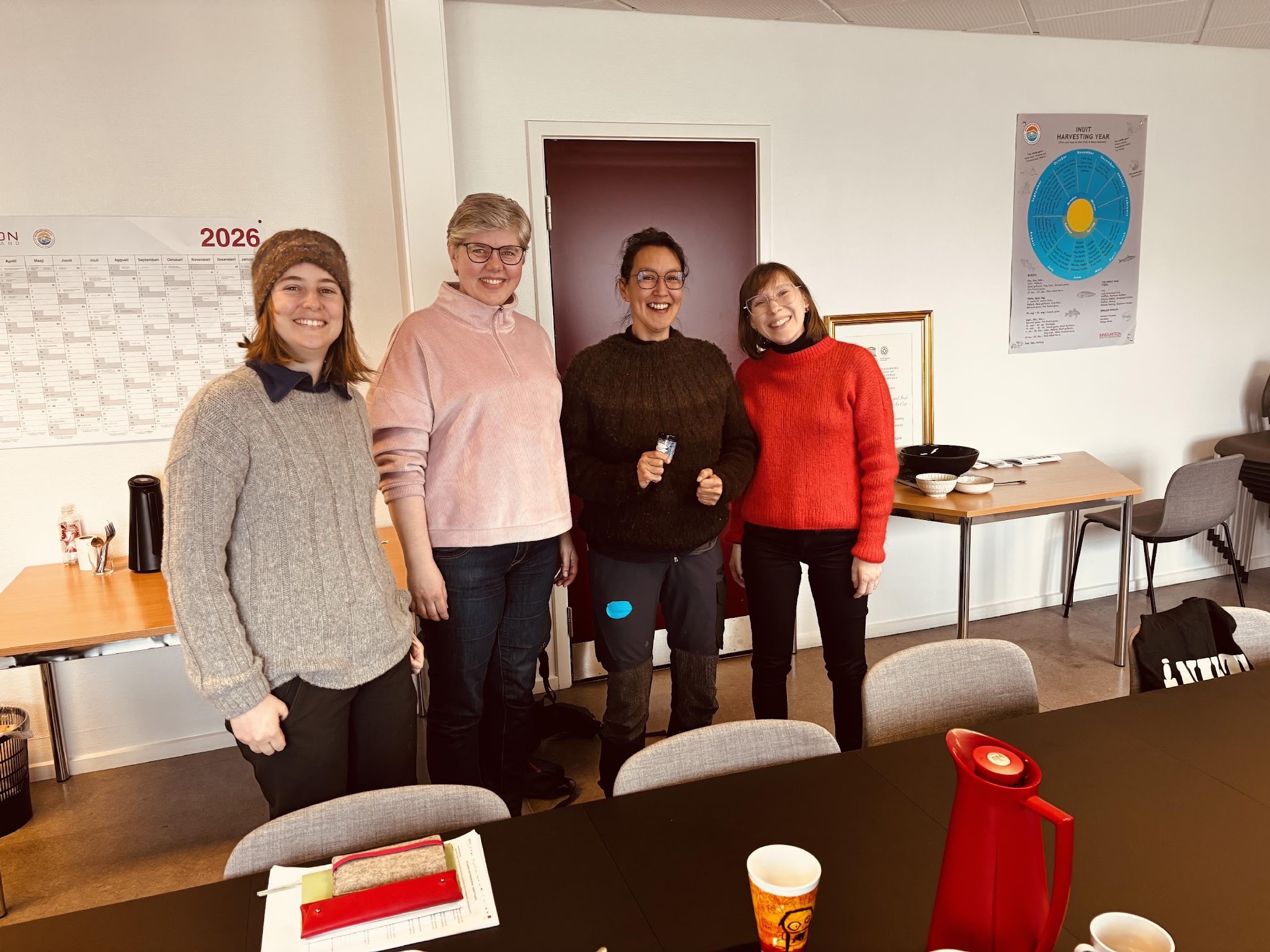
In Qaqortoq, South Greenland, Thora, Joan, Élise, Tahnee, Annegret from Kiel University, andLuisa from the University of Oulu represented the project. Together with our local collaborator Erik Kielsen from Innovation South Greenland, they facilitated future scenario–building workshopswith strong emphasis on youth voices and intergenerational dialogue. The activities were held at the local high school and business school together with students from the Arctic guide program.
The workshops created an inspiring environment where young people played a central role in imagining alternative futures for their town and coastal Greenland. Youth participants explored how Qaqortoq might evolve under changing environmental and societal conditions, including the opening of the new airport, plans for new hotels, and the growth of sports and ecotourism businesses in the region.
Their discussions brought fresh perspectives, creativity, and energy to the future-building process. Beyond the dedicated youth workshops, scenario-building also formed the basis of several focus groups with energy and municipal departments, and interviews with grocery stores, tourism operators, and local entreprises,bringing together different local perspectives.
Alongside these collaborative workshops, several team members continued in-depth community engagement through interviews and focus groups. In both Húsavík, and Qaqortoq, Tahnee continued working closely with local women to better understand perspectives on environmental change, identity, health, and community futures. Together with Thora, she hosted a focus group for women in Húsavík that explored future visions for the region, including questions related to food, identity, and wellbeing.
In Qaqortoq, Tahnee conducted one-on-one interviews with women from a wide range of backgrounds, from filmmakers to sheep farmers, gathering personal reflections on environmental change and pollution observed over the years, as well as hopes and plans for the future. All their input now feeds directly into the broader scenario-building process.
Building on this work in Greenland, and during an additional two-week stay in South Greenland, Luisa carried out further interviews with fishermen, hunters, women, and young people in Qaqortoq, Narsaq, and Nanortalik. These conversations continued to explore experiences of environmental change and pollution along the coast, particularly through practices and livelihoods connected to seals.
By expanding the geographical scope of the interviews and engaging with a wide range of community members, the fieldwork added further depth to the project’s understanding of how environmental transformations are experienced across South Greenland’s coastal communities.
Tourism and its socio-environmental impacts also remained a key focus during this last ICEBERG fieldwork season. After gathering insights from tourism operators as well as cruise passengers and land-based tourists during the previous two field campaigns, Élise and Annegret shifted their attention toward the perspectives of the locals.
They designed a survey to collect community views on tourism development and pollution in Northern Iceland and South Greenland, while also engaging with local key actors to discuss possible future scenarios for the tourism sector. These conversations contributed valuable insights into how communities perceive both the opportunities and pressures associated with increasing tourism activity in Arctic coastal regions.
Environmental monitoring and looking to the future
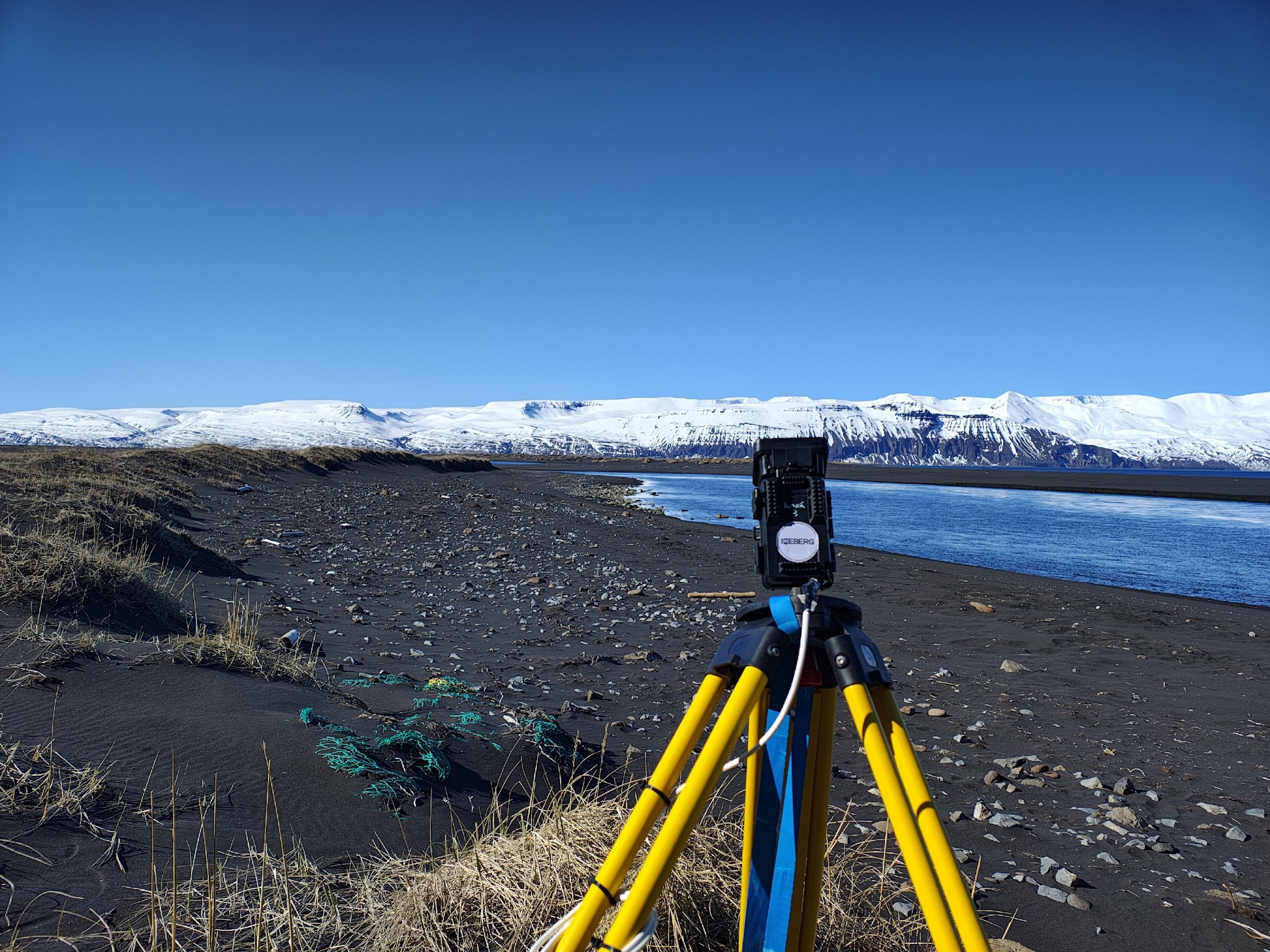
At the same time, technical monitoring and environmental sampling activities continued across the region. During this field campaign in Northeast Iceland, Natascha and Victor from Kiel University focused on maintaining existing time-lapse camera systems and installing new monitoring stations near Húsavík and Akureyri to strengthen ongoing observations of beach litter dynamics.
While Natascha took part in the community scenario workshop in Húsavík, Victor concentrated on preparing the ICEBERG project’s second AI workshop, which was later held in Akureyri and online. These parallel activities helped connect participatory research with long-term environmental monitoring and emerging analytical approaches.
In South Greenland, the last fieldwork campaign also provided an opportunity for Élise, Tahnee and Luisa to collect soil samples for Task 1.10 on heavy metal contamination. Despite challenging and unpredictable weather conditions, the team successfully completed the sampling campaign.
The collected samples will now be sent to our ICEBERG consortium partner forScience for further laboratory analysis, contributing important scientific data to the broader investigation of pollution in Arctic coastal environments.
Overall, this last ICEBERG fieldwork season once again demonstrated the value of combining scientific monitoring with participatory and community-based research approaches. Through workshops, interviews, surveys, environmental sampling, and collaborative discussions, the ICEBERG project team, together with local collaborators and residents, not only documented ongoing environmental and societal changes, but also created spaces for communities to actively shape conversations about their futures.
The insights gathered across Northeast Iceland and South Greenland will inform the development of policy recommendations in the project and contribute to strengthening the resilience and adaptation of Arctic coastal ecosystems and communities.