Impact beyond the Arctic
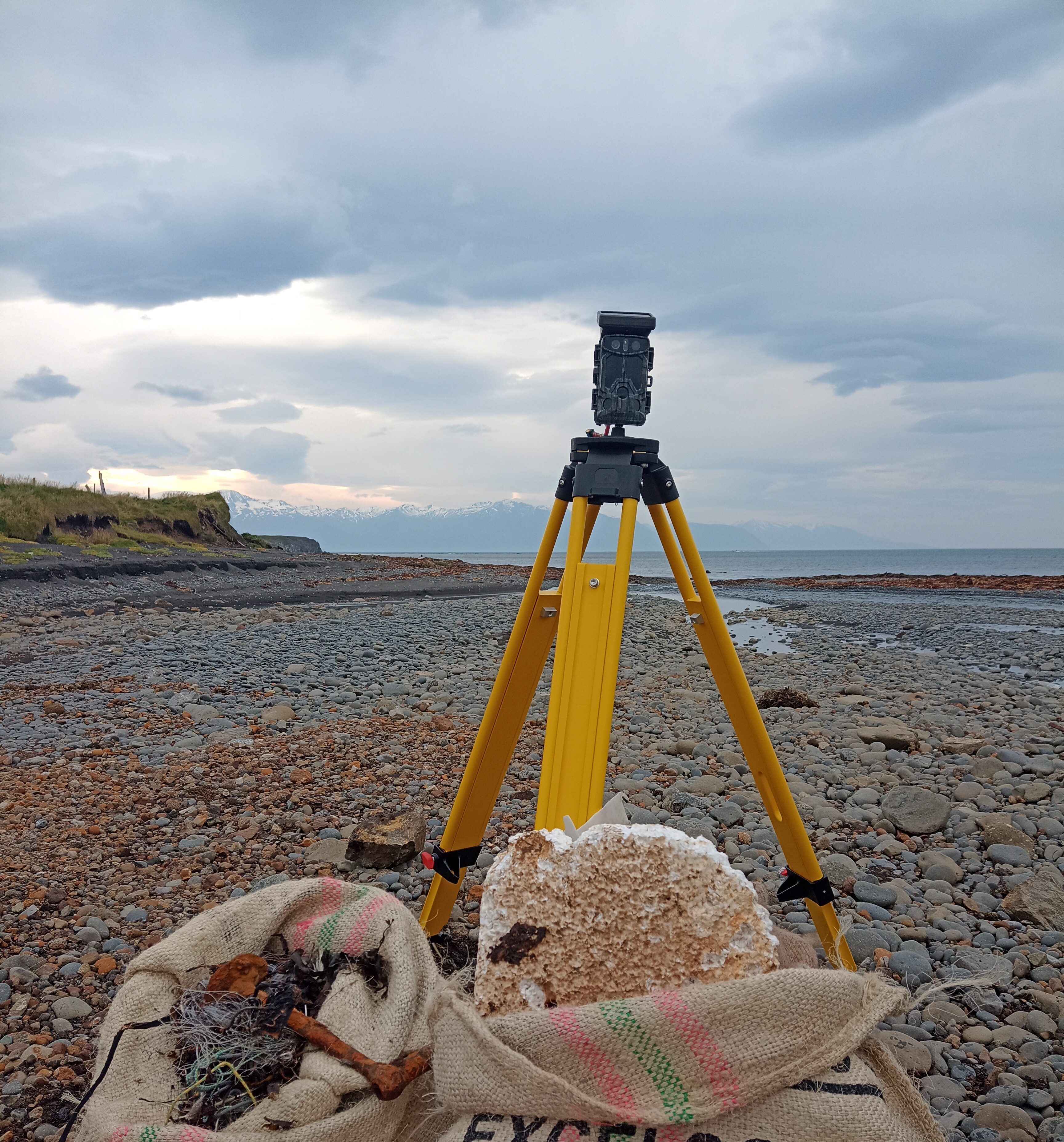
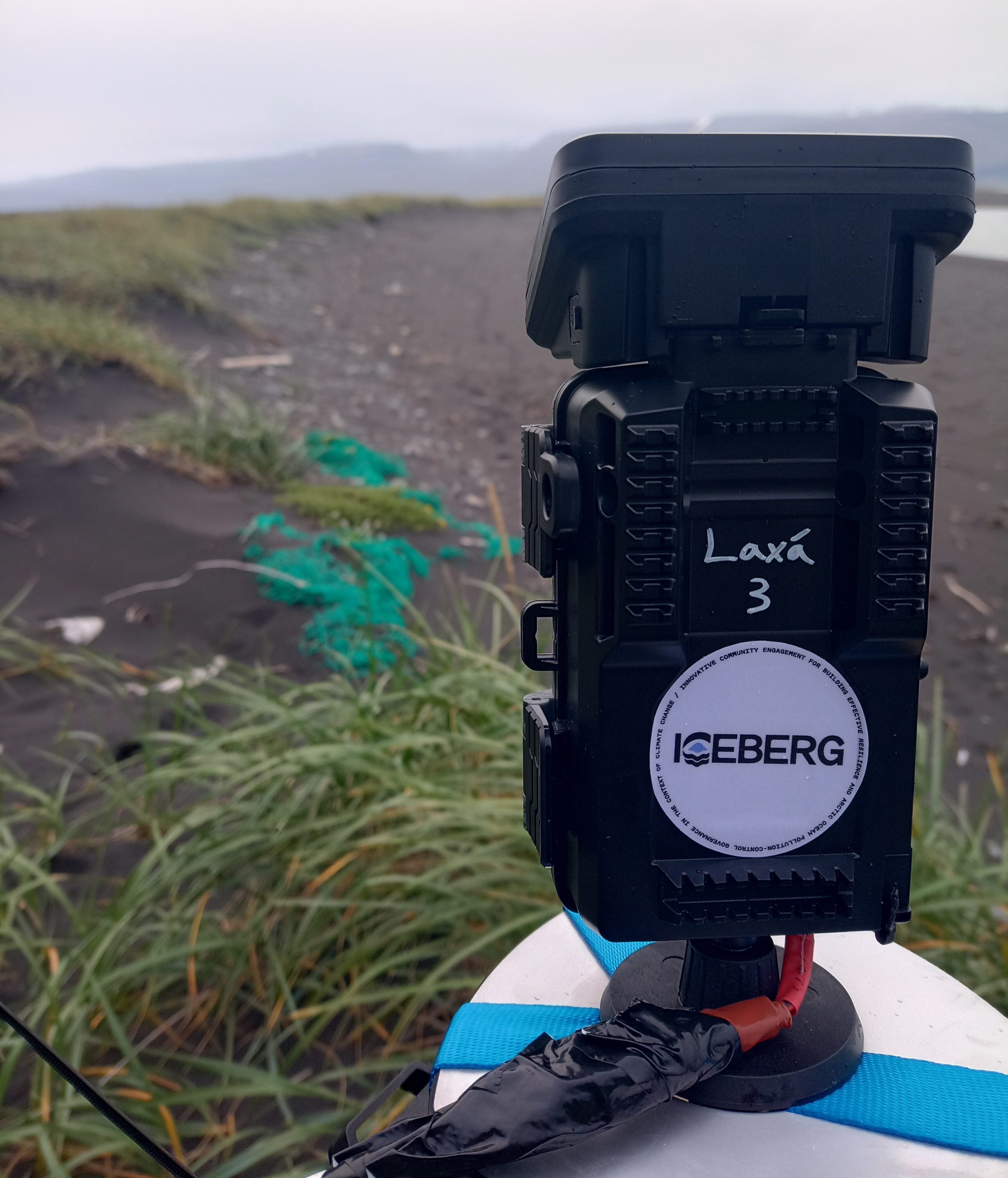
The guidelines provide public actors with an overview of suitable methods for addressing different types of pollution. Through new, cost-effective tools and ideas, such as the use of time-lapse cameras, monitoring can become more accessible. Given Japan’s extensive coastline, this collaboration helps to amplify the impact of ICEBERG’s research beyond the Arctic.
“Being included in the national guidelines of a country on the other side of the globe shows how impactful the work being done in ICEBERG really is”, says Oppelt.
Better methods lead to better data, and better data is essential for informed action against pollution. By combining automated image acquisition with AI-supported analysis and local engagement, ICEBERG helps generate the kind of consistent, high-quality data that future monitoring frameworks need.
If you’re interested in hearing more about how time-lapse cameras are being utilized in the ICEBERG project, read Natascha’s blog post from June 2025 here!